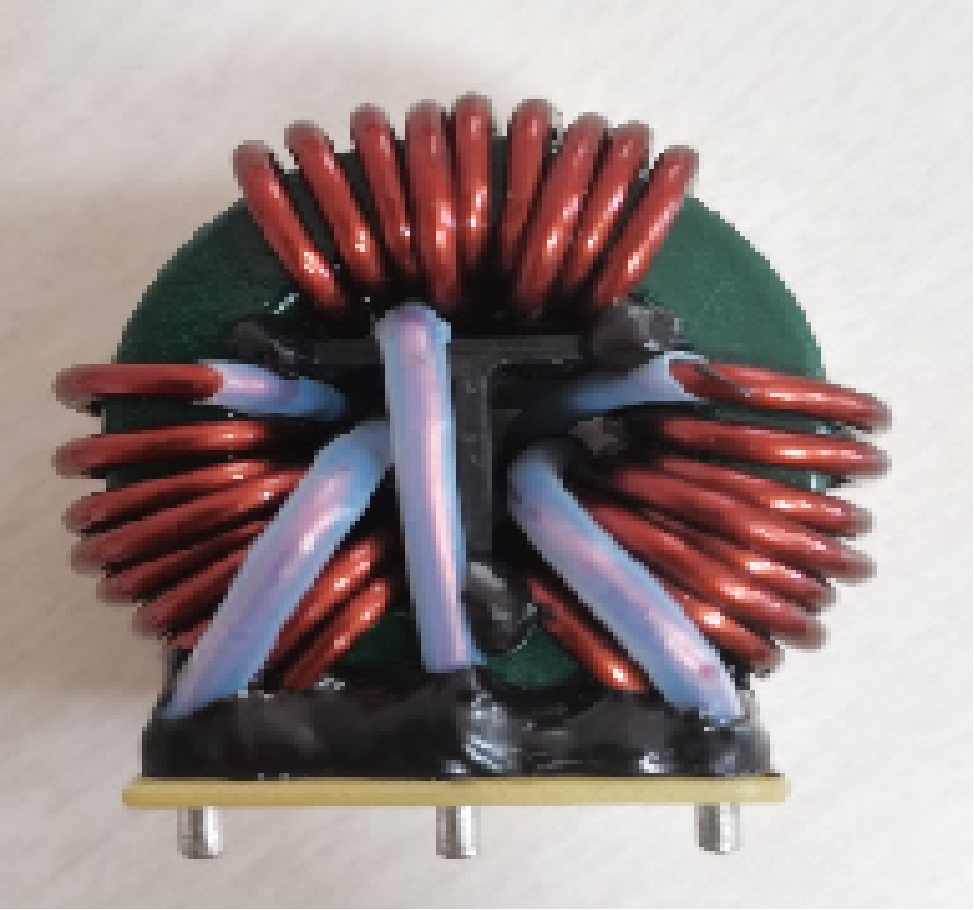
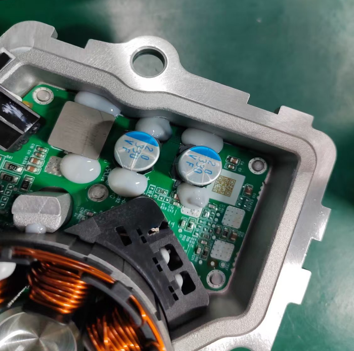
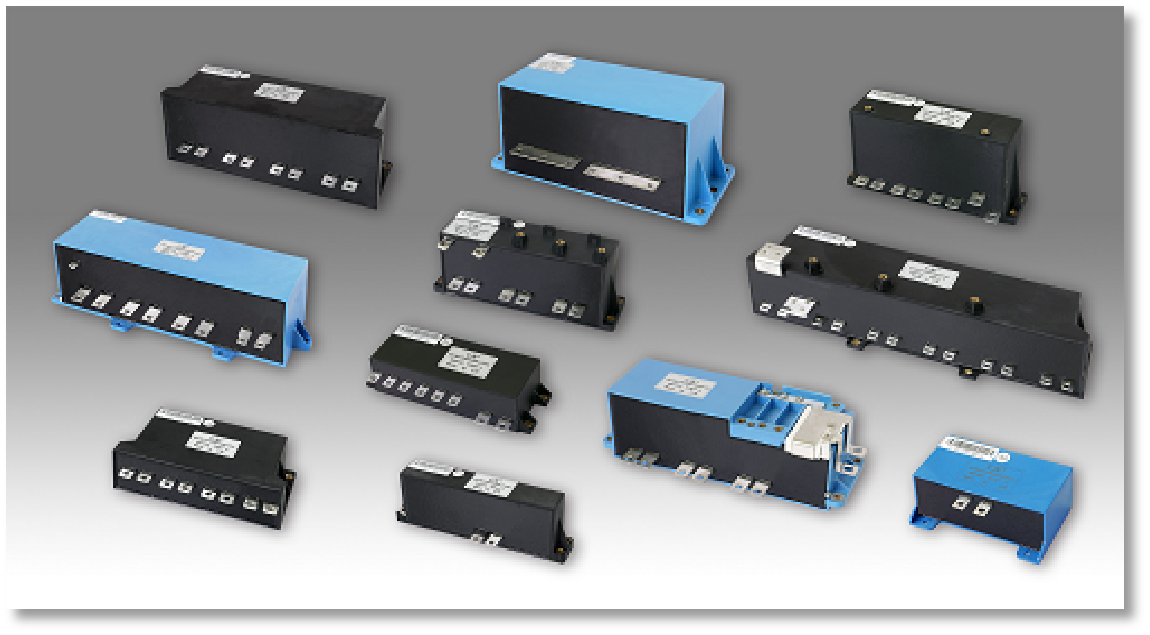
Used for thermal conductive adhesive bonding and fixation between heat sinks and heat-generating components (ICs) in electronic control systems (MCU, BMS, VCU, etc.) including their components and circuit boards, OBC systems, charging piles, power battery pack cells, DC/DC conversion systems, etc.
The design of new energy electric vehicles requires strict thermal management for many components, such as batteries, motors, systems, entertainment systems, etc. Heat needs to be dissipated in a timely manner to avoid component damage. Thermal conductive adhesive uses silicone as the main body, with added thermal conductive materials and other polymer materials. It has good thermal conductivity and electrical insulation properties, and is widely used in the bonding and assembly of heat-generating components, providing assurance for the stability of electronic products (especially those requiring high heat dissipation) during use;
The product has superior electrical properties, aging resistance, resistance to alternating hot and cold temperatures, moisture resistance without swelling, shock resistance, vibration absorption, and stability, increasing the safety factor of electronic products during use in the bumpy process of vehicle driving; it has excellent bonding strength, especially good adhesion to electronic components, aluminum, PVC, PBT and other plastics, with fast curing speed, convenient operation, non-toxic, no irritating gas release, no solvent, no corrosion, no pollution, safer and more environmentally friendly.