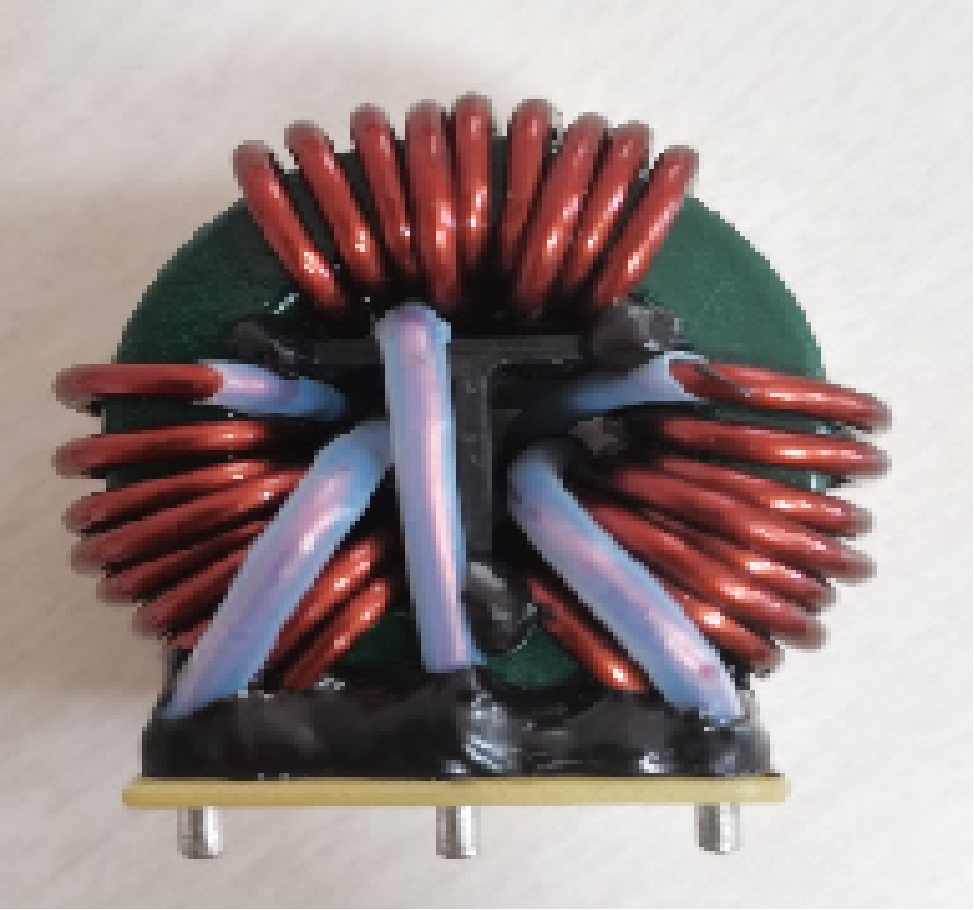
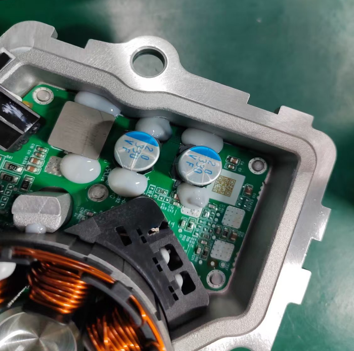
Used for thermal conduction between the battery pack and the liquid cooling plate, thermal management of heat-generating components or modules such as the engine control unit, transmission control unit, fuel pump control unit, ABS anti-lock braking system, VSC vehicle stability system, power steering system, lighting drive rectifier, telematics, HVAC system control module, battery management system (BMS), etc.
Thermal conductive gel inherits the advantages of silicone materials such as good affinity, weather resistance, high and low temperature resistance, and good insulation, while also having strong plasticity, capable of filling uneven interfaces and meeting heat transfer requirements under various applications.
Compared to thermal pads, thermal conductive gel is softer and has better surface affinity, and can be compressed to very low thicknesses, significantly improving heat transfer efficiency. It can be compressed to as low as 0.1mm, at which point the thermal resistance can be 0.08℃·in2/W?– 0.3 ℃·in2/W, reaching the performance of some silicone greases. In addition, thermal conductive gel has almost no hardness and will not generate internal stress on equipment after use. Compared to thermal pads, it is easier to conform to joint surfaces, and compared to thermal silicone grease, it has better sealing performance and is less prone to powdering.